Hurricane-Ready Starlink — Emergency Comms Setup for the 2026 Season
After Hurricanes Helene and Milton, Starlink became the de facto emergency comms tool for first responders and stranded households. Here's the kit we recommend keeping in your storm closet.
 Emergency prep
The 2024 Atlantic hurricane season changed how households think about Starlink. When Helene knocked out cellular and landline coverage across western North Carolina for a week, Starlink Minis became the most-shared piece of equipment in the affected counties — neighbours rotating dishes between houses to coordinate aid. By Milton's landfall three weeks later, Starlink had publicly distributed thousands of free terminals to first responders and shelters.
If you live in a hurricane-prone region — Gulf Coast, Atlantic seaboard, Caribbean — the Mini deserves a slot in your emergency kit alongside your generator and water. This guide is the minimal viable kit, plus the upgrades that make a meaningful difference under disaster conditions.
The minimum viable emergency kit
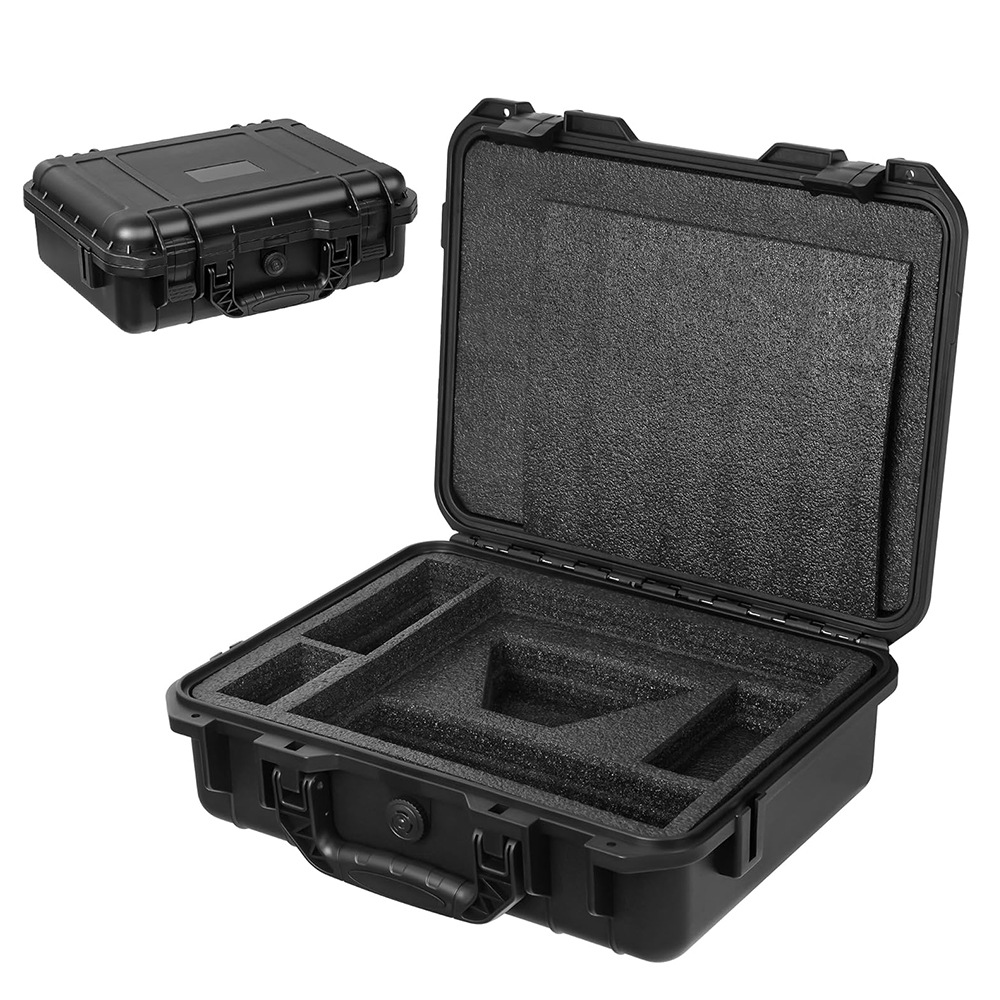
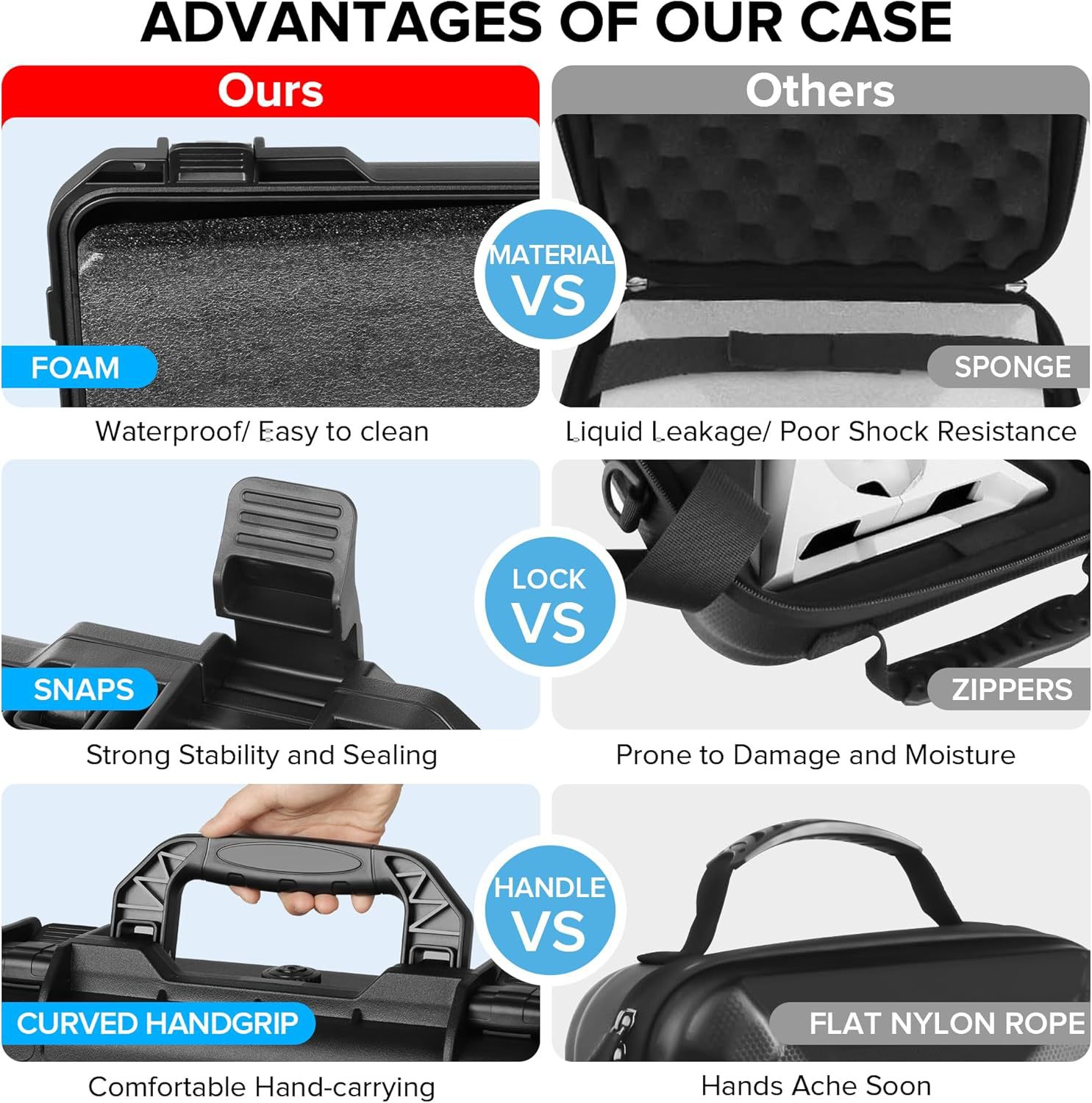
At minimum: the Mini itself, the included USB-C power brick (for use when you have grid), a 12 V cigarette adapter (for use when you don't), the included DC barrel cable, and a hard travel case to keep everything together.
Why the case matters: in a real disaster, you're moving the Mini between locations, charging stations, and possibly vehicles. Loose cables get lost; loose dishes get dropped. The case keeps the kit operationally ready without requiring a 10-minute hunt.
Why the 12V adapter is non-negotiable
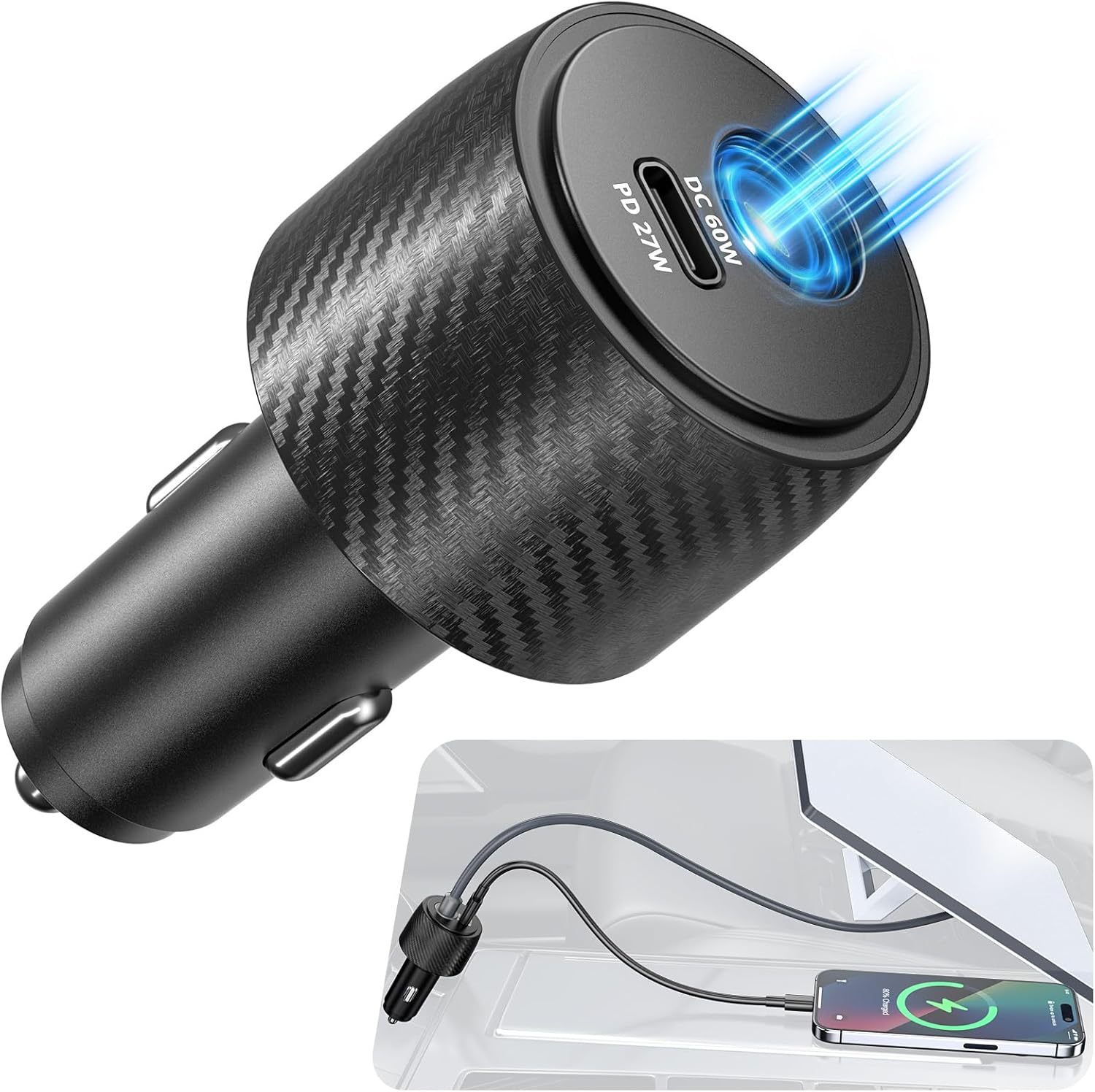
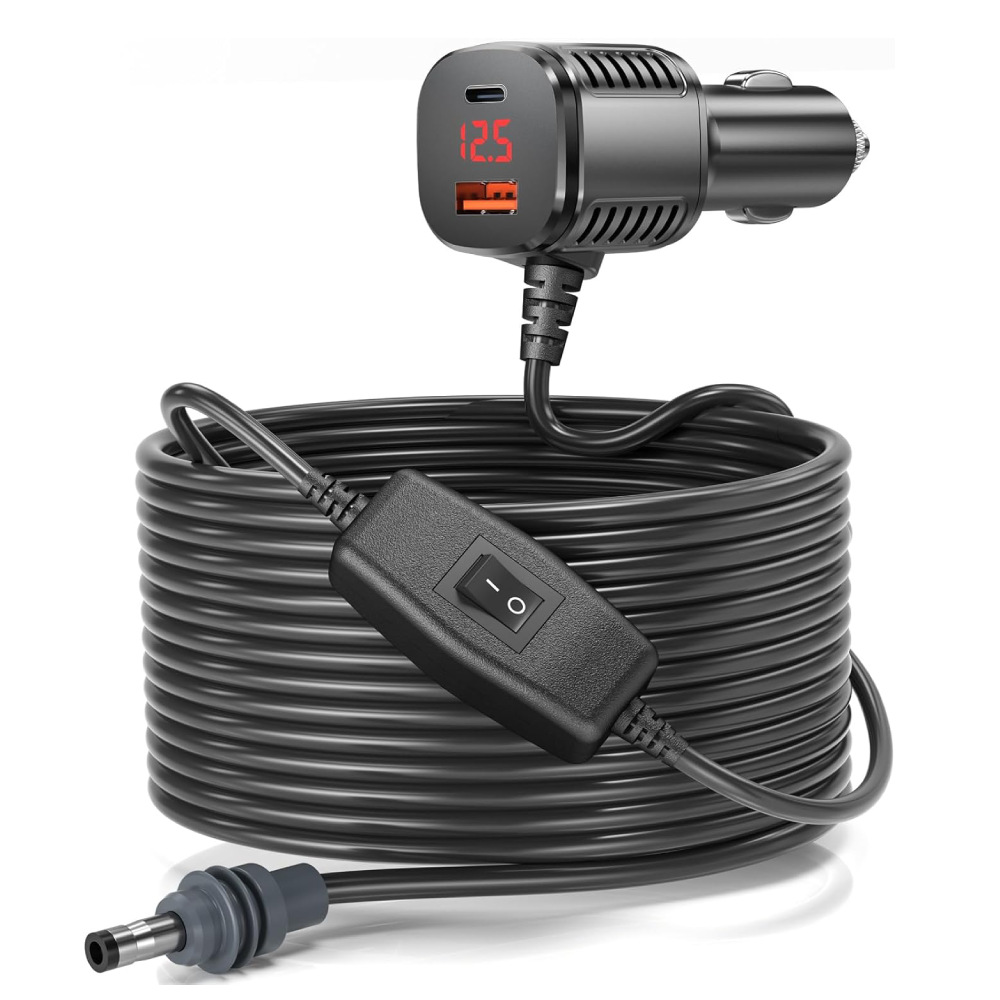
Grid power is the first thing to fail in a major storm. If you only have the included 110 V brick, you're depending on a generator with the right outlet, an inverter on your battery bank, or shore power that may not return for days. A 12 V adapter lets you run the Mini directly off any car battery, jumper pack, or 12 V house battery.
We've shipped Minis to FEMA contractors who power them off pickup-truck cigarette sockets in the field. It works. The 30 W boost adapter pulls roughly 3 A from a 12 V system — you can run the Mini for 24 hours off a fully-charged passenger car battery without harming the battery's ability to start the engine afterward.
Mounting in chaos
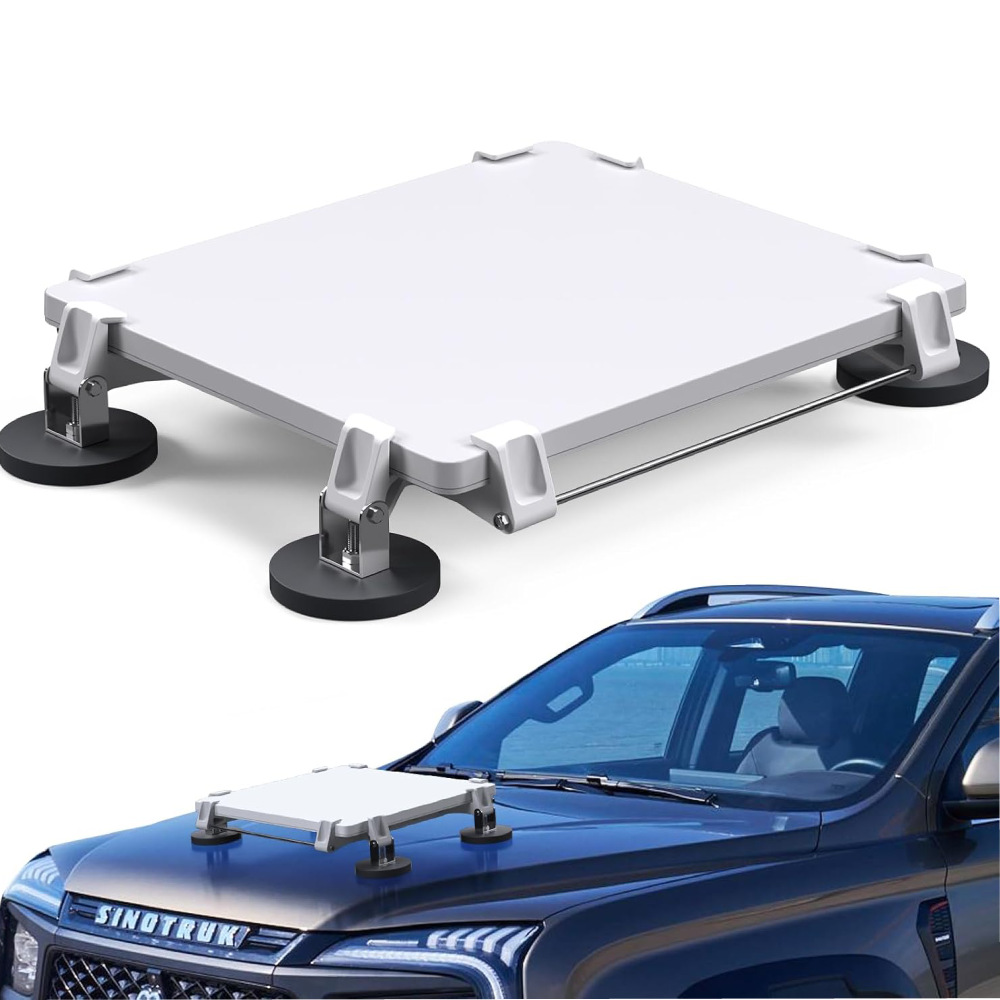
In an emergency, the right mount is whatever lets you deploy fastest. Magnetic mounts on a vehicle roof are the fastest possible install — slap it on, run the cable through a window, you're online in 90 seconds. We recommend keeping a magnetic mount in the case alongside the Mini for exactly this scenario.
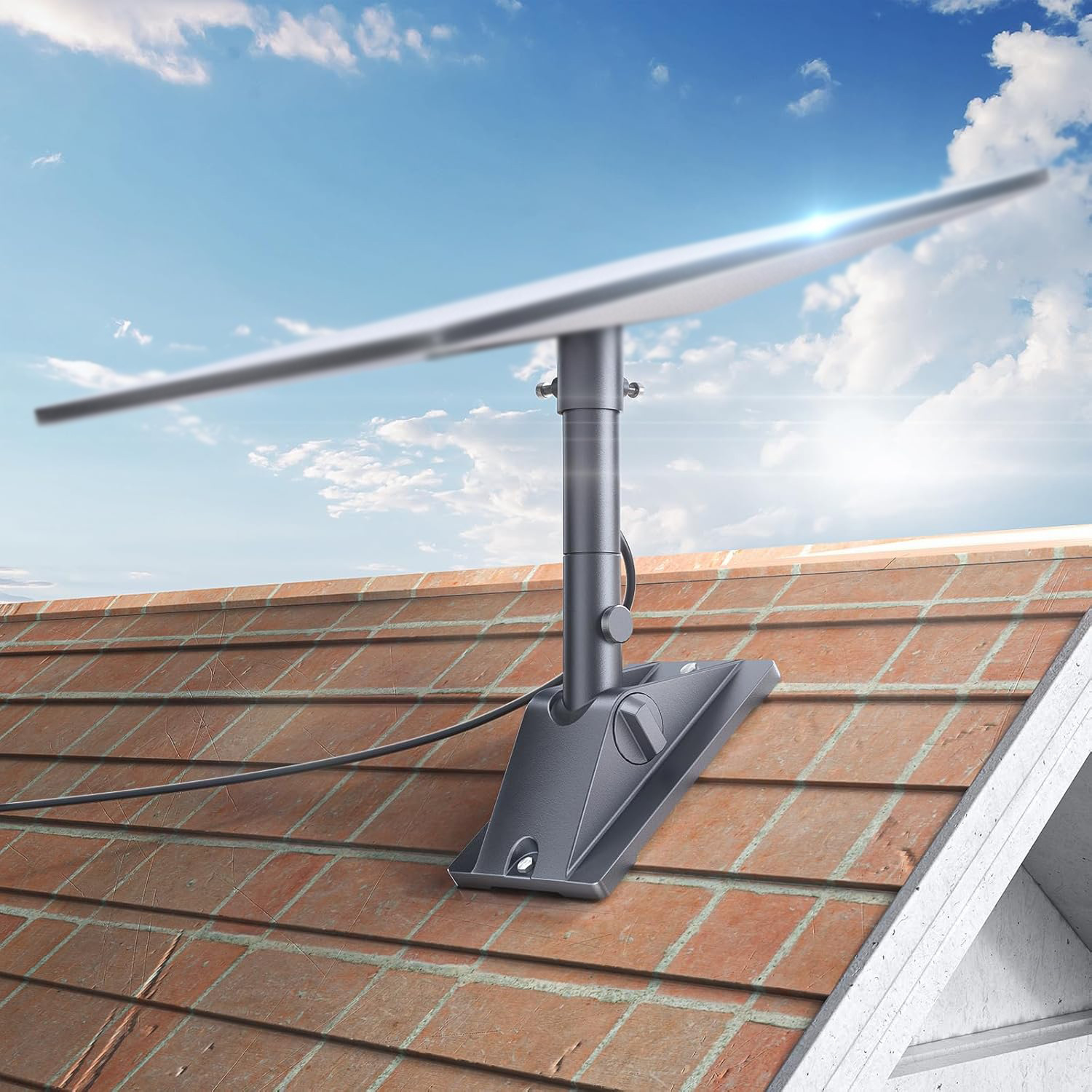
If your house roof has an existing antenna mast or chimney, the pipe-clamp adapter is a 60-second permanent fallback once the immediate emergency passes.
Sharing connectivity with neighbours
In Helene, Starlink Minis were rotated between households on 2-4 hour blocks so the whole street had access to weather updates and FEMA portals. The Mini's built-in Wi-Fi covers about 30-40 m with line-of-sight, easily enough to serve a few houses on a typical residential block.
The Mini supports a 5 GHz second SSID with WPA2 — set a guest password before the storm, write it on the case, and your neighbours can connect without you handing them the admin SSID. Free coupon code if you're reading this on our site post-emergency: STORMHELP for $5 off your next mount.
Products mentioned in this guide
Have a Starlink question this guide didn't answer?
Email [email protected] — replies within 24 hours. Or browse the full OrbitGrip catalog.
Comments & questions
Got a question about this install, a correction, or your own setup story? Drop it below — comments are auto-screened for spam and published immediately if they're clean. Genuine questions usually get a reply from us within a day.