How to Mount Starlink Without Drilling — 4 Methods, Compared
The most-asked Starlink question on every forum: "how do I mount this without drilling holes?" Here are the four answers, ranked by surface, hold strength, and removal speed.
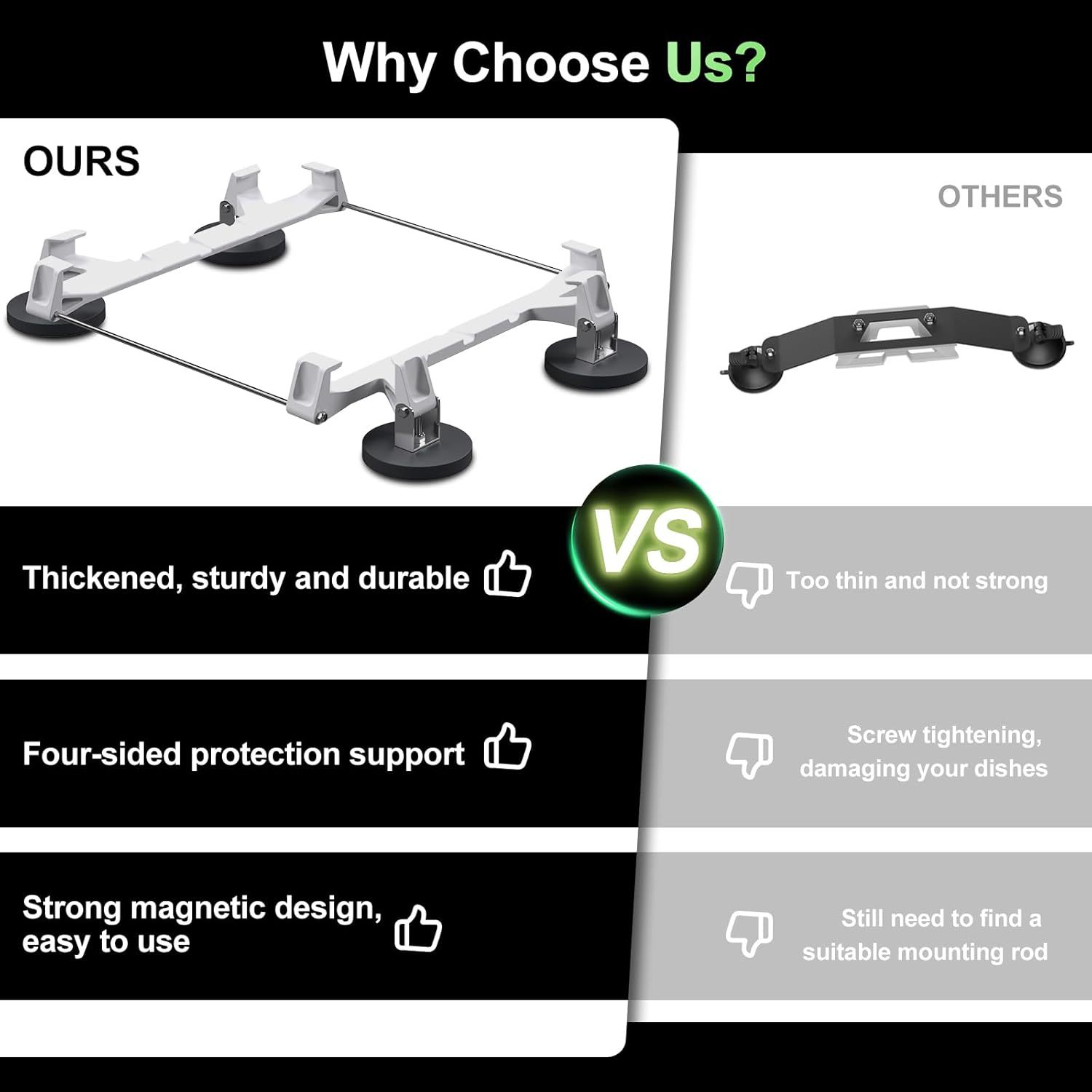 Most asked
If you spend any time on r/Starlink or the various RV / marine forums, you'll see this question every other day: "how do I mount Starlink without drilling into my roof?" It's the single most popular install question we get. The answer depends on what you're mounting to — and in 2026, there are four no-drill options that genuinely work, each with different tradeoffs.
This guide compares them honestly. None of them are universally best; pick by surface and use case.
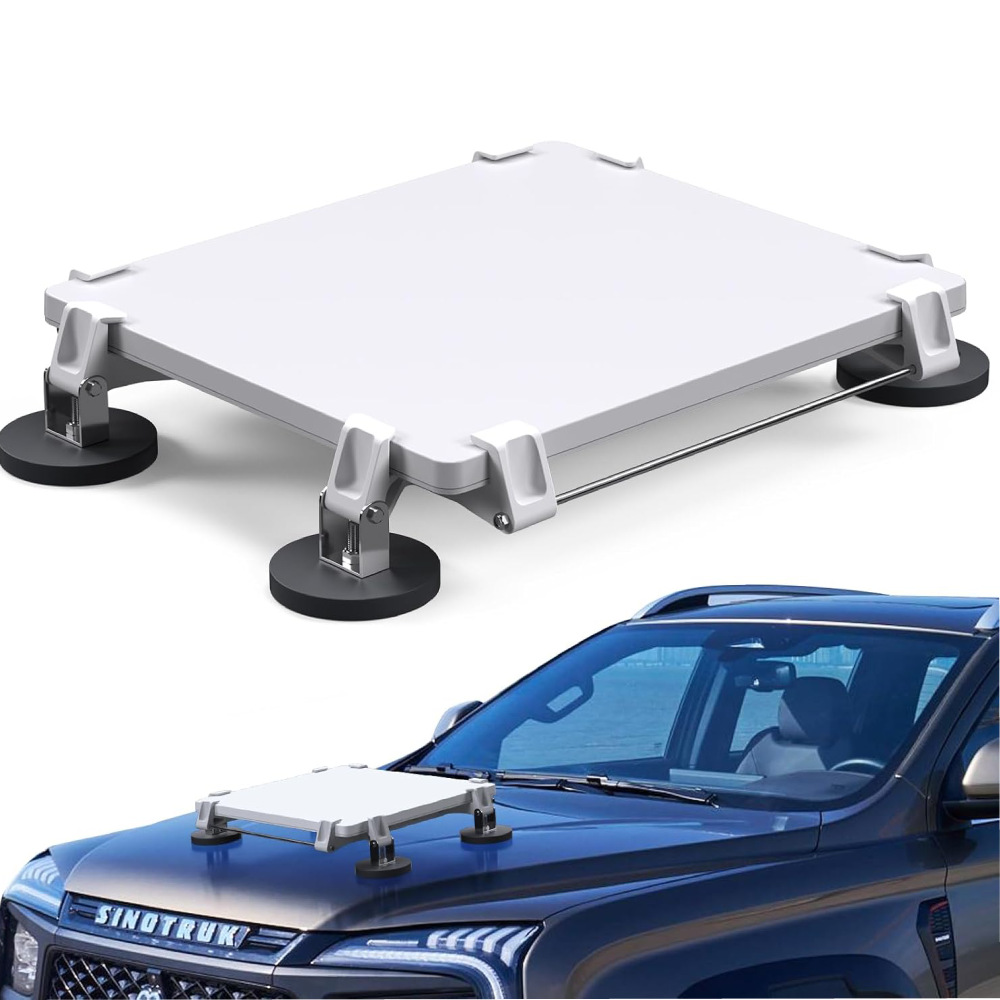
Method 1 — Magnetic (steel roofs only)
Hold strength: 100+ lb pull force, 4-magnet array. Surface: ferrous steel only — won't work on aluminium, fiberglass, or plastic. Removal: 5 seconds, slide off. Best for: truck cabs, work vans, steel-roof RVs, semi-trailers.
Magnetic mounts are the fastest install of any option here — drop the mount, attach the dish, plug in. The big caveat: most modern crossover SUVs have aluminium roof skin, not steel. Test with a fridge magnet before buying. If the magnet doesn't grip, this isn't your option.
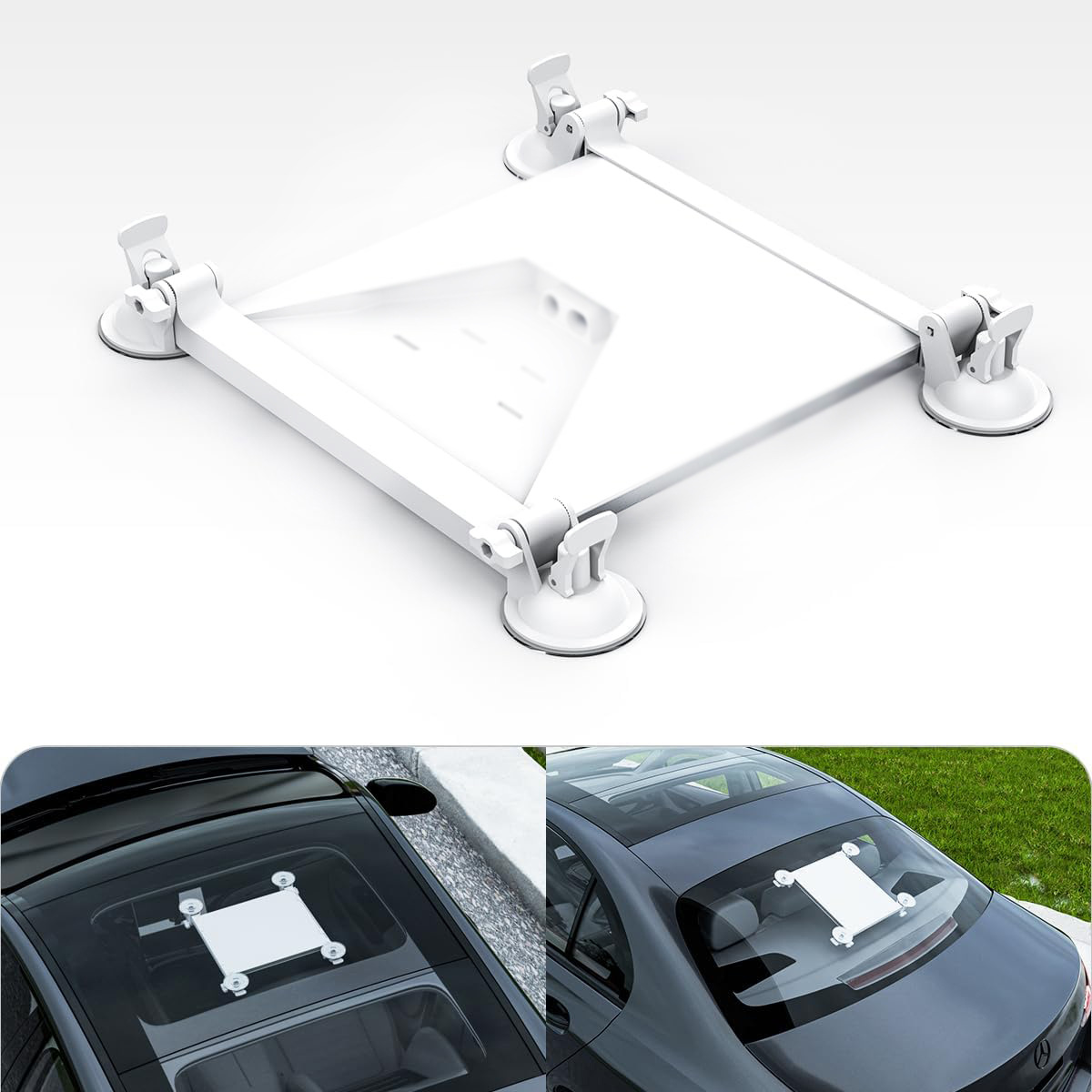
Method 2 — Suction cup (smooth non-porous surfaces)
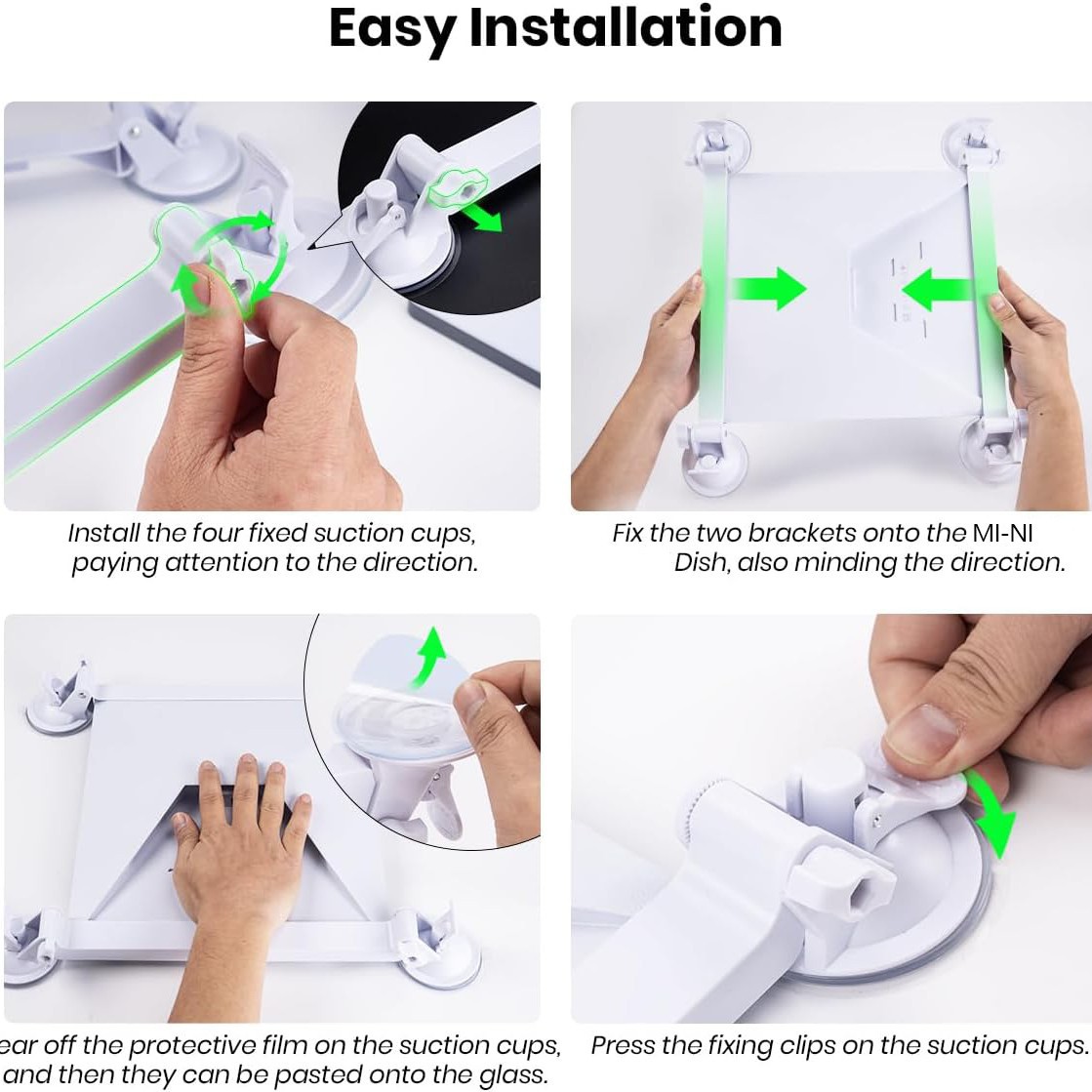
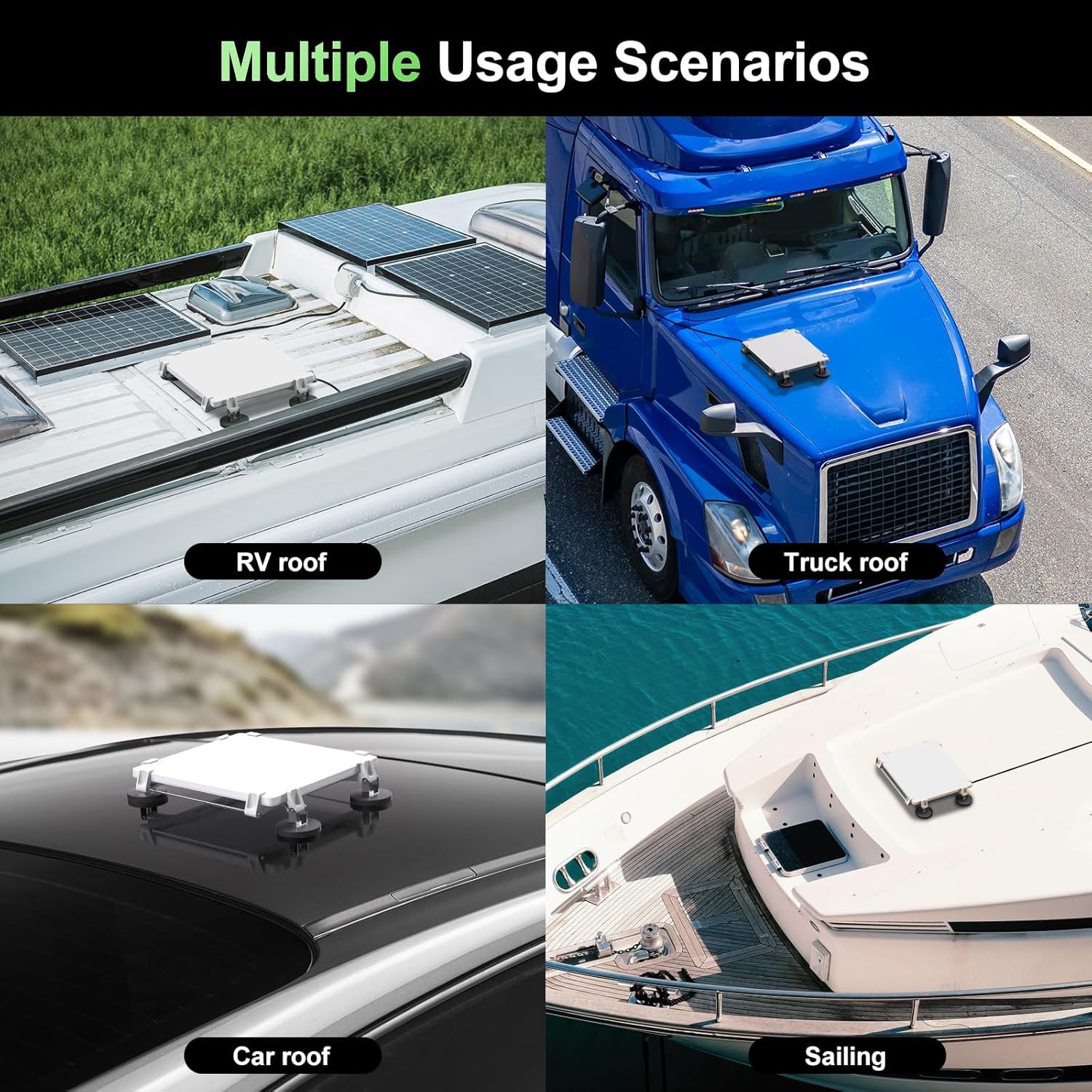
Hold strength: 100+ lb static, lower at highway speeds. Surface: glass, gelcoat, painted metal, polished plastic. Removal: 10 seconds, lever release. Best for: glass sunroofs, fiberglass boat decks, painted vehicle hoods.
Suction is the most surface-flexible option. The viton-seal models we stock are UV-stable (silicone seals chalk in 6-12 months); a quality pump-action cup will hold for weeks at a time without losing pressure. Re-pump weekly and you're set indefinitely.
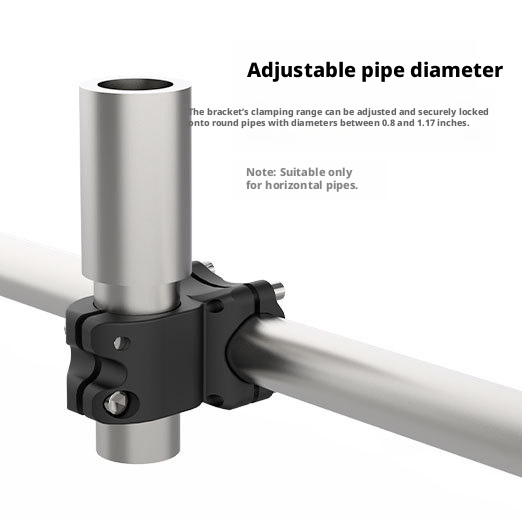
Method 3 — Pipe / pole clamp (existing tubes)
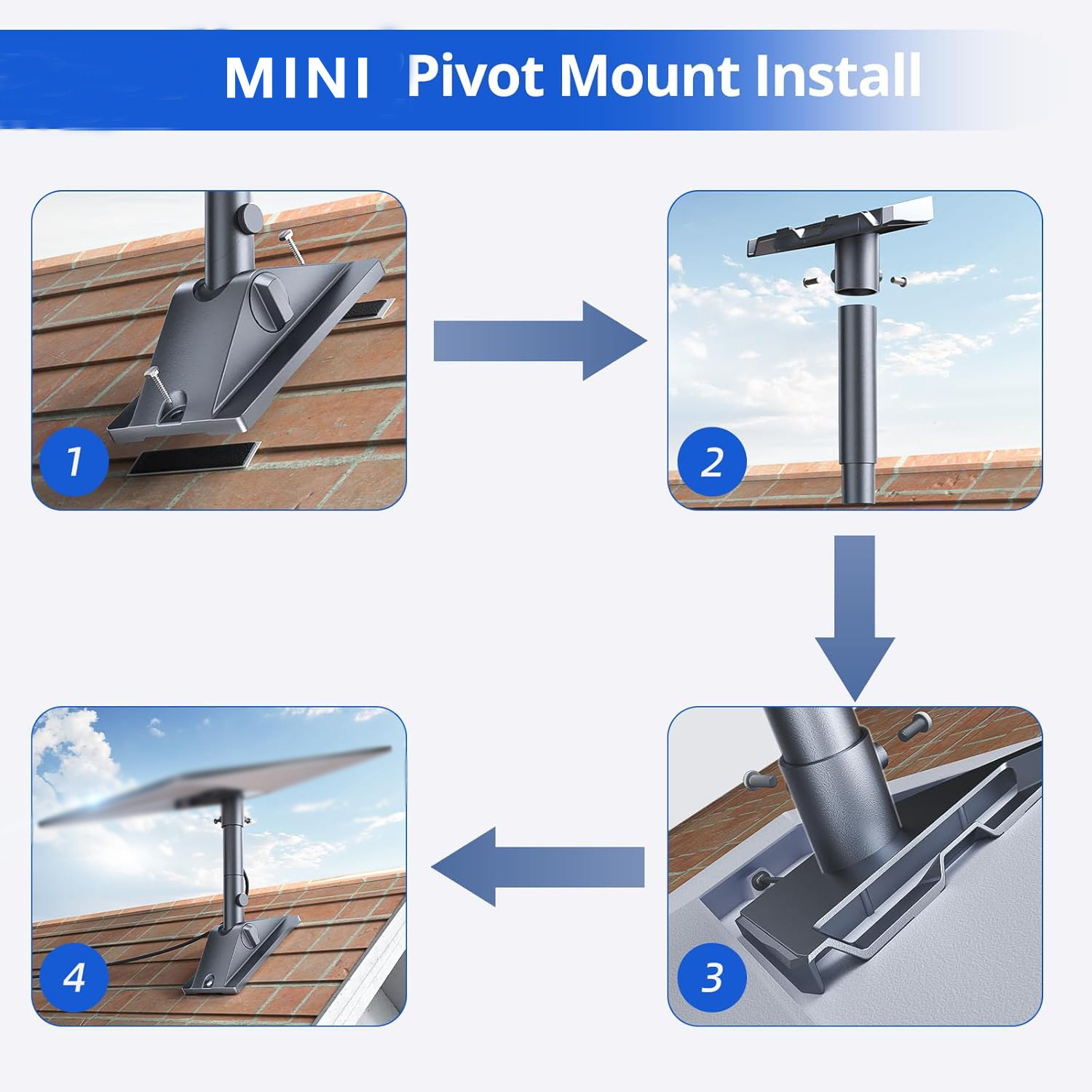
Hold strength: bolted clamp, effectively unlimited (depends on what you're clamping to). Surface: any cylindrical structure 25-50 mm OD — roof rack rails, awning poles, marine arches. Removal: 30 seconds, allen-key clamp. Best for: RVs with factory roof rails, sailboats with arches, any vehicle with crossbars.
Pipe-clamp is the most secure no-drill option in this list — once tightened, it's not going anywhere. The downside: you need an existing tube to clamp to. If your rig doesn't have rails, this isn't an option without first installing a rail kit (which usually does require drilling).
Method 4 — Aluminium roof clamp (rib-roof RVs)
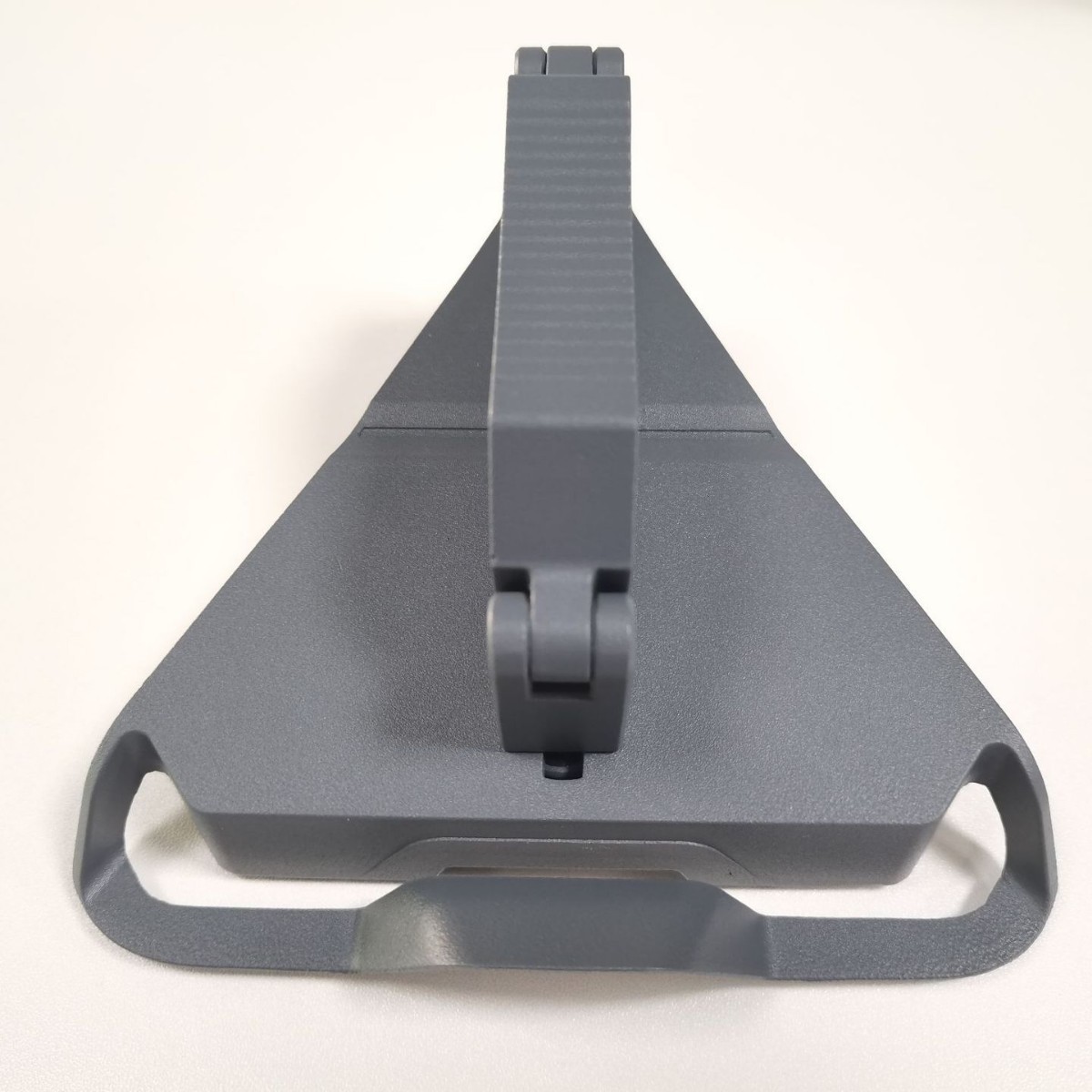
Hold strength: mechanical clamp on ribbed roof, very high. Surface: standing-seam metal roofs, ribbed RV roofs. Removal: 1 minute, two-bolt loosen. Best for: Class A motorhomes, fifth-wheels with metal roofs.
This is a more permanent option than the others — once installed, it stays put — but it's still no-drill. The clamp grips the roof rib mechanically without piercing the skin or compromising the seal.
Quick decision tree
Do you have a steel roof? Magnetic.
Glass, gelcoat, or smooth painted surface? Suction.
Existing roof rack or arch tube? Pipe-clamp.
Ribbed RV roof? Aluminium roof clamp.
If none of these fit your install, the only remaining no-drill option is a portable tripod base on a balcony or deck — which works fine for stationary use but loses you the ability to use Starlink while moving.
Products mentioned in this guide

Have a Starlink question this guide didn't answer?
Email [email protected] — replies within 24 hours. Or browse the full OrbitGrip catalog.
Comments & questions
Got a question about this install, a correction, or your own setup story? Drop it below — comments are auto-screened for spam and published immediately if they're clean. Genuine questions usually get a reply from us within a day.