Marine Starlink — Salt-Spray Survival, Suction Mounts, and 316 Stainless
We tested every Mini mount through 720 hours of ISO 9227 salt fog. Here's what survived, what corroded, and what you should actually buy for a sailboat or trawler.
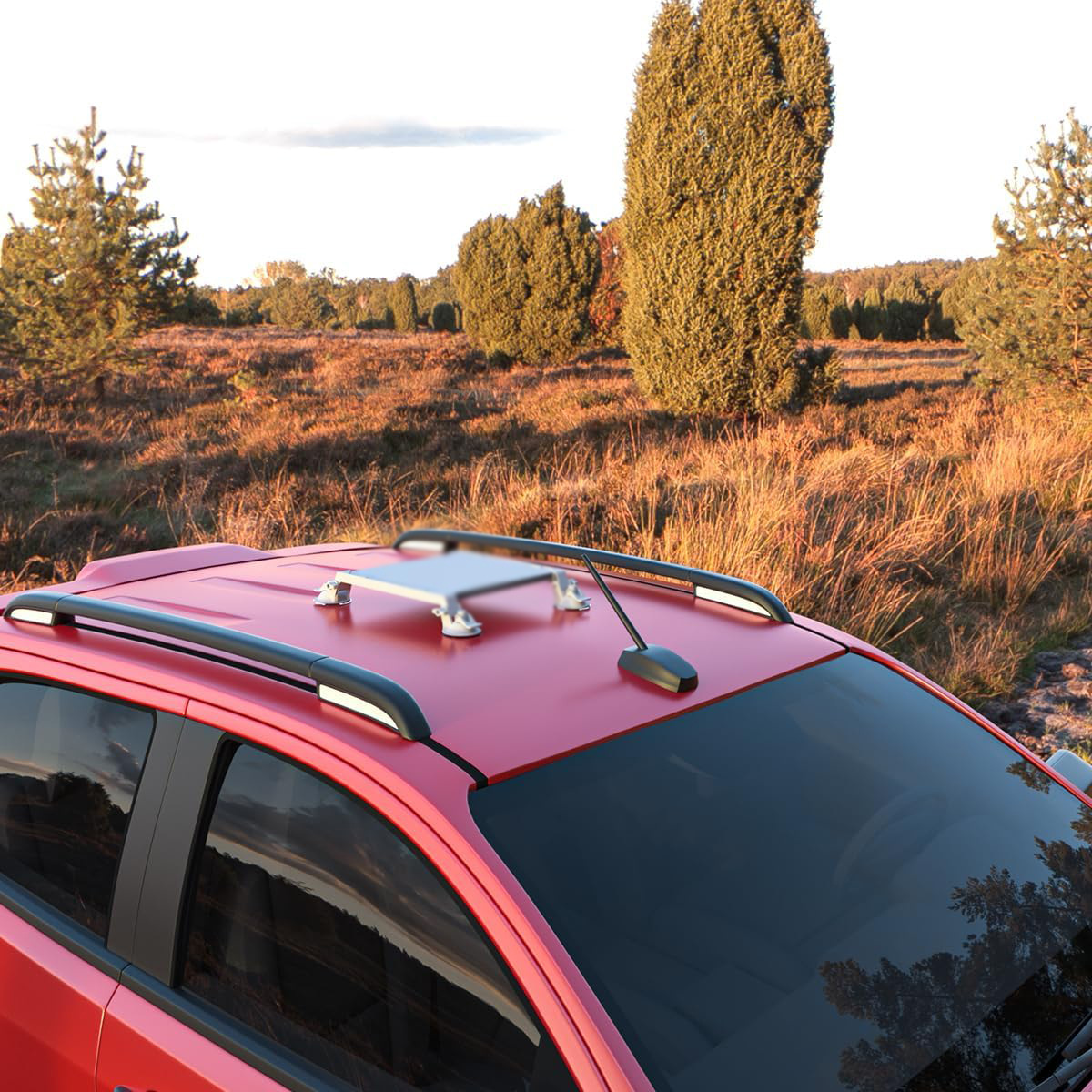
Salt is the enemy of every electronic install on a boat, and Starlink is no exception. The Mini's IP67 rating is good for rain and splash but it's not designed for the cumulative effect of a season of salt spray on the connector pins, the mount hardware, and the cable jacket. Half the marine service jobs we see could have been prevented by buying the right hardware up front.
We ran every Mini mount in our catalogue through ISO 9227 neutral salt-spray testing — 720 hours, equivalent to roughly 18 months on a Pacific Northwest sailboat. This guide is what survived.
Suction cup is the right marine mount, and here's why
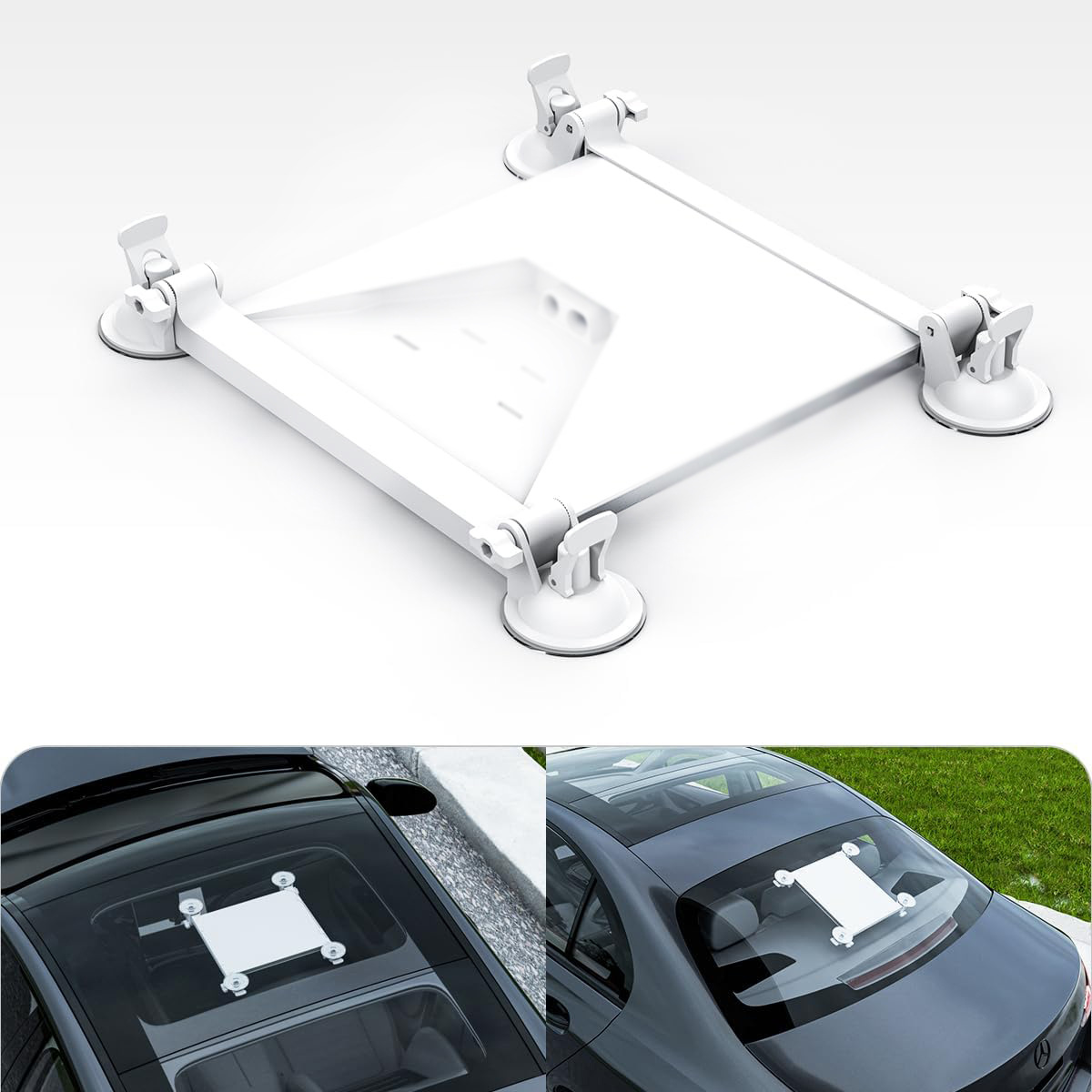
Most boat hardtops are gelcoat over fiberglass. You can't magnetically mount to that, and you really don't want to drill a permanent hardware hole in the cabin top of a $400,000 sailboat. Suction cup is the answer: 100+ lb static hold per cup, no drilling, no gelcoat damage, and removable in 10 seconds when the boat goes back on the trailer or into winter storage.
Our marine suction cup uses a viton seal (UV-stable, not silicone) and a 316L stainless lever. After 720 hours of salt-fog, the lever showed surface tarnish but no pitting; the cup itself was indistinguishable from new.
Pipe-clamp mounts for arches and radar masts
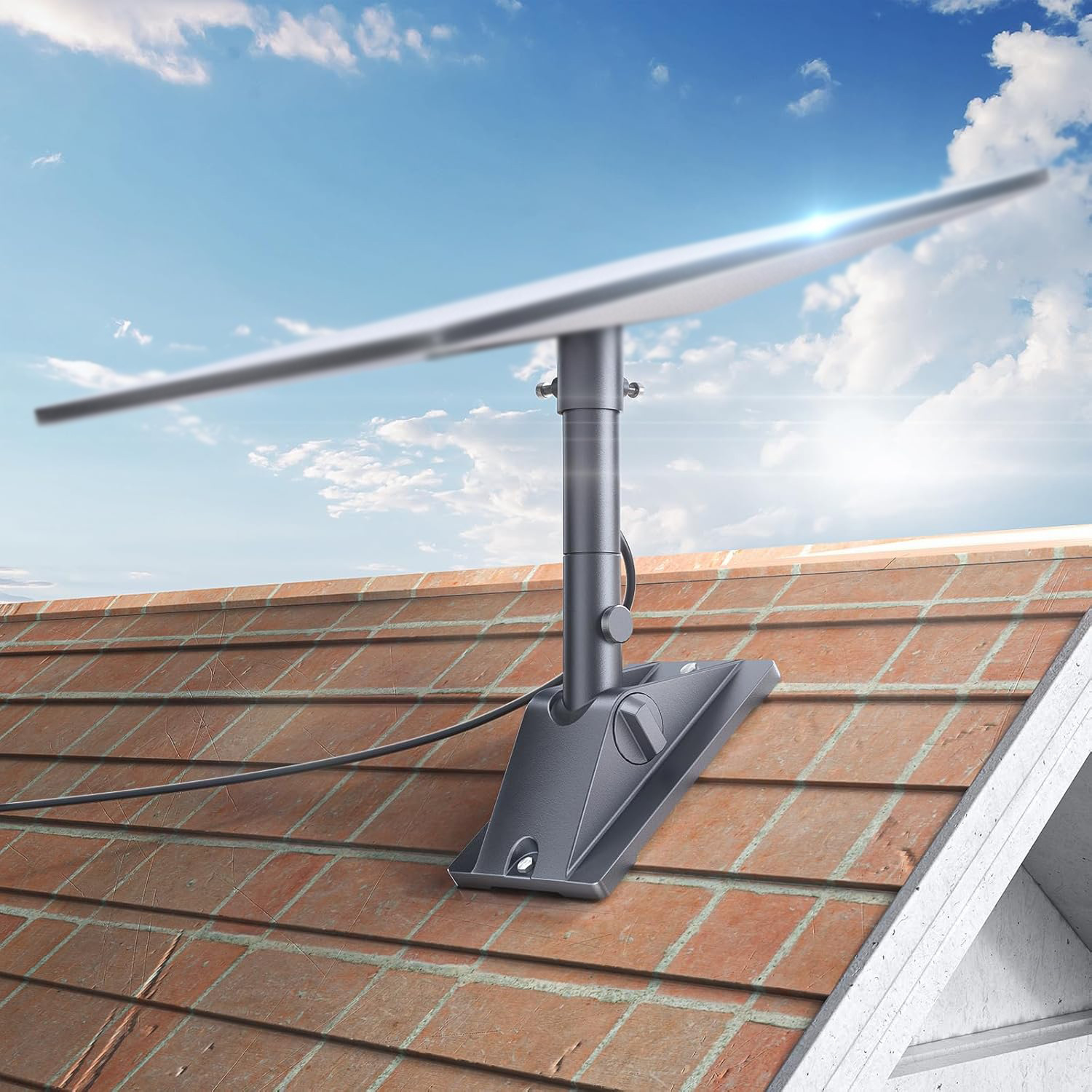
If your boat has a radar arch or a stainless tubular mast, the pipe-clamp adapter is the right answer — it clamps to any tube from 25 to 50 mm OD, won't slip under sail, and provides true horizon clearance without touching the deck. We use 6061-T6 anodised aluminium with all 316 stainless fasteners; both alloys passed the salt-fog test with zero corrosion.
On sailboats specifically, mount the dish high on the arch (not on the pushpit) — every meter of height adds about 1° to your low-elevation horizon visibility, which translates directly to fewer dropouts when you're heeled over.
Power: marinise the 12V side
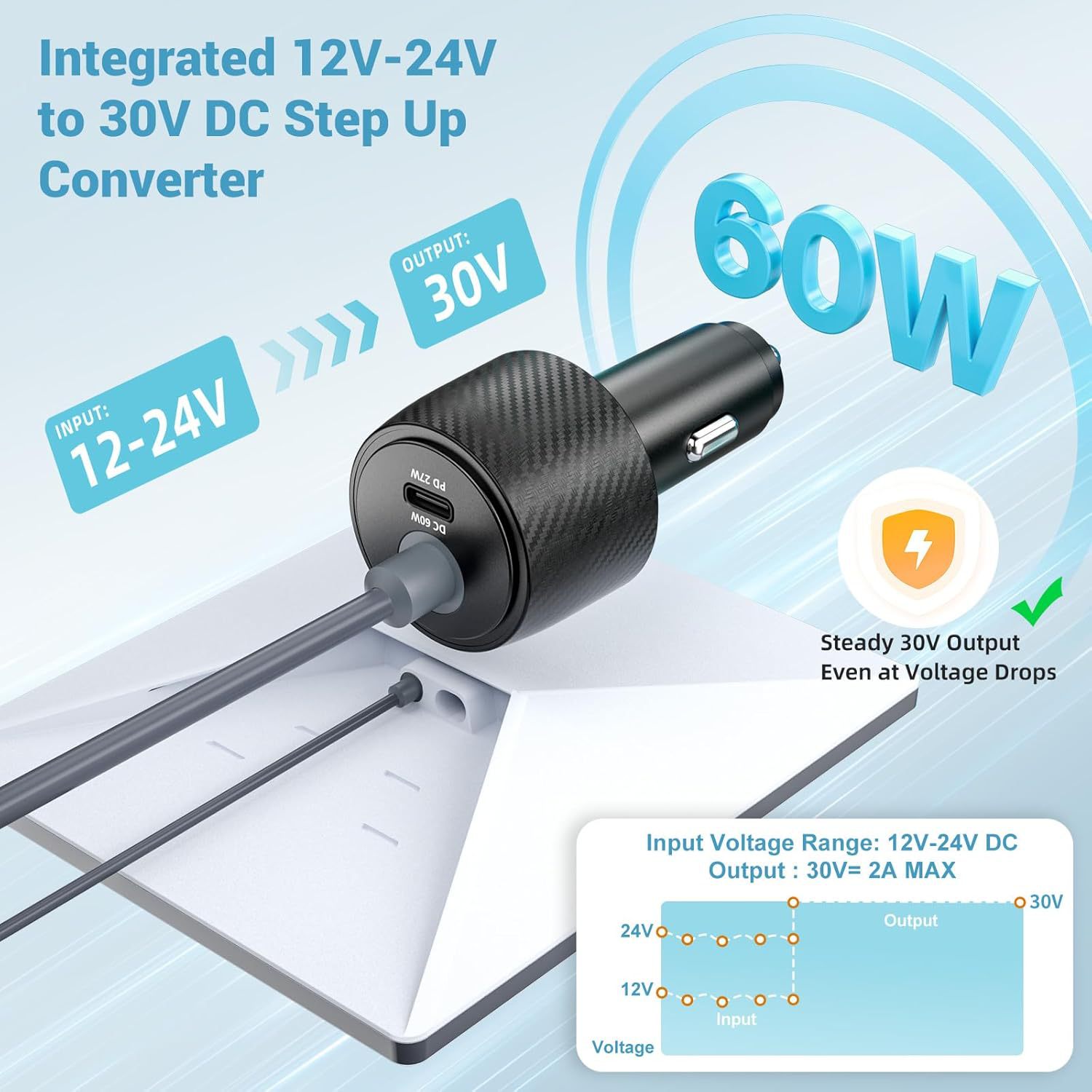
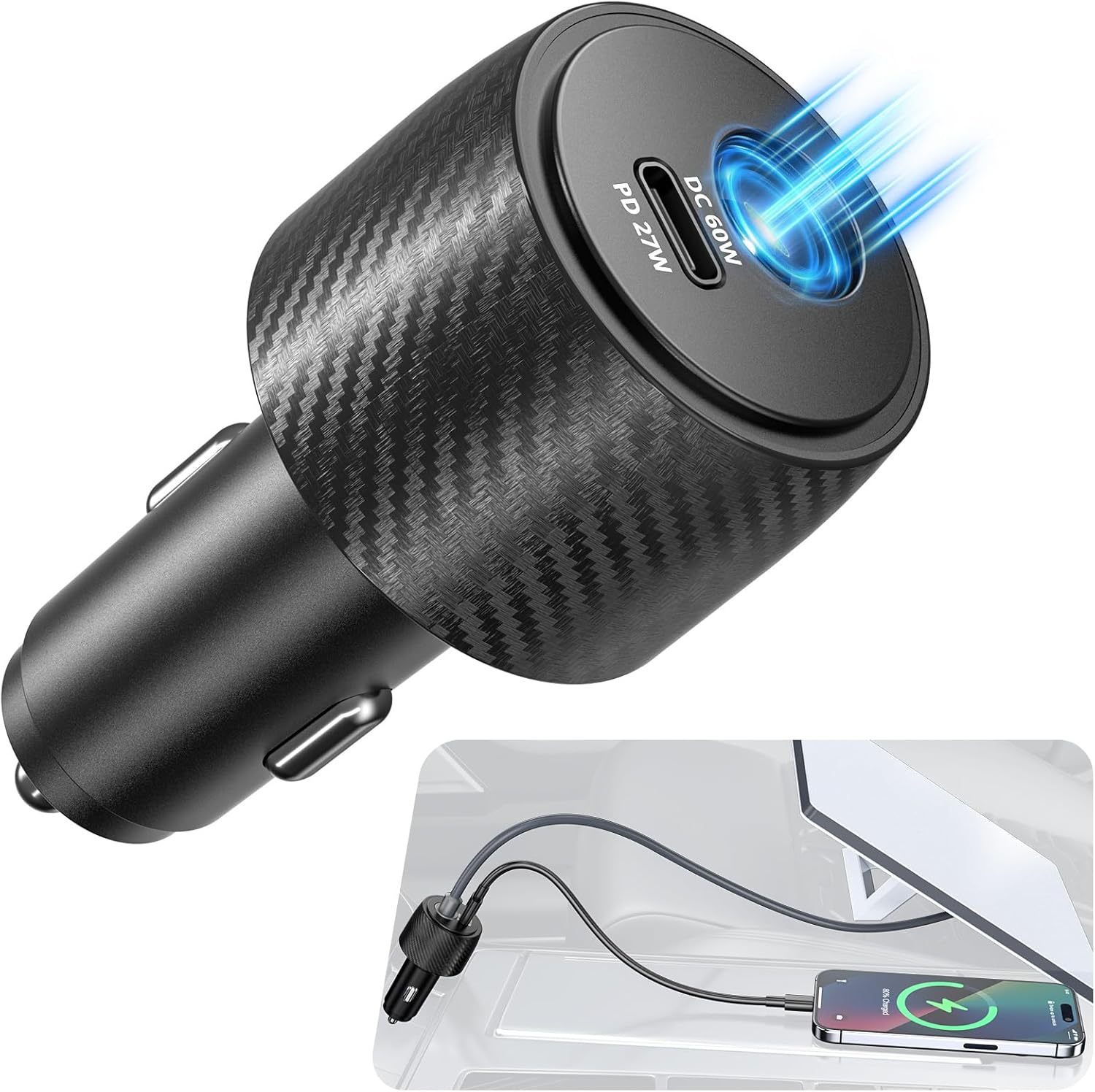
Most boats run on 12 V house power, and the Mini's USB-C PD brick is genuinely the wrong tool for the job — it's an indoor adapter with no salt rating. Our 12-30 V boost adapter is a sealed industrial unit, IP54 on the input side, designed for marine and outdoor use.
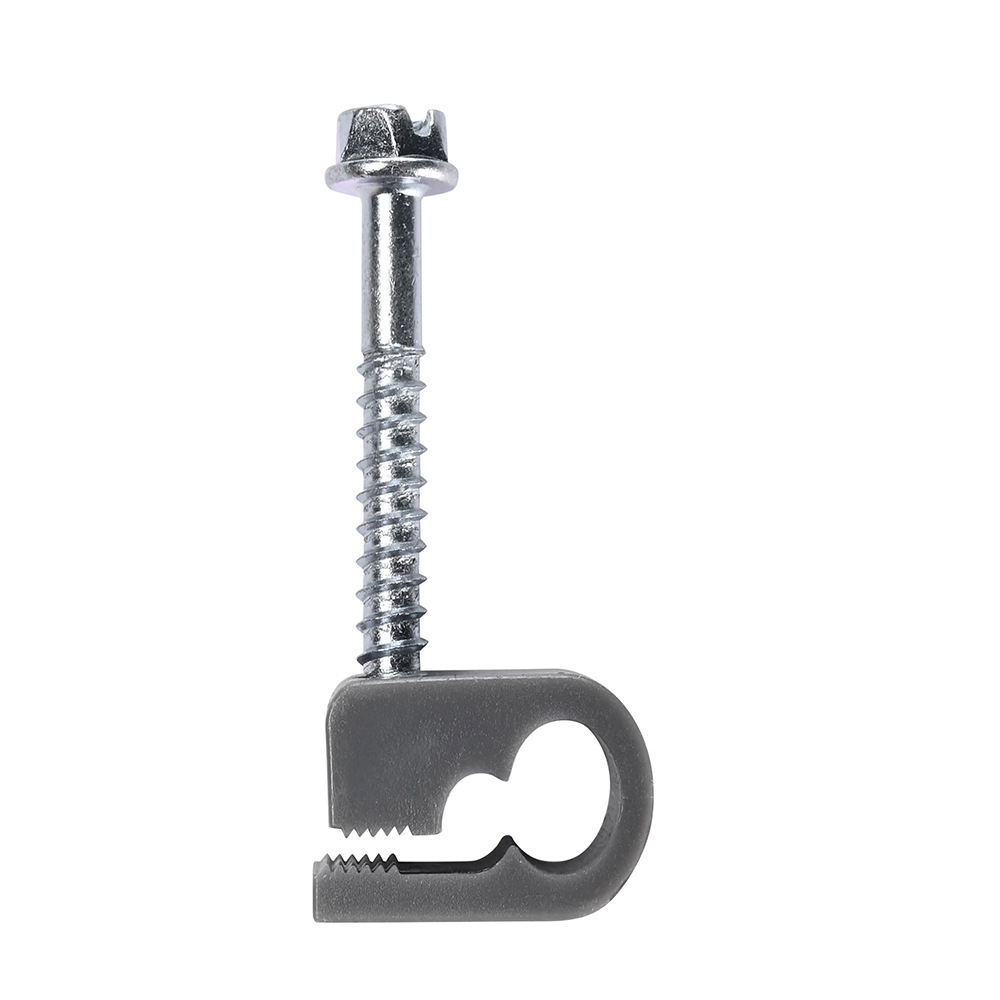
Wire it to the house battery via a 15 A fuse, route the cable through an existing waterproof cable gland (every modern boat has at least one), and you're done. Drip loop the cable on entry so condensation doesn't track inside.
Stow it when you're underway
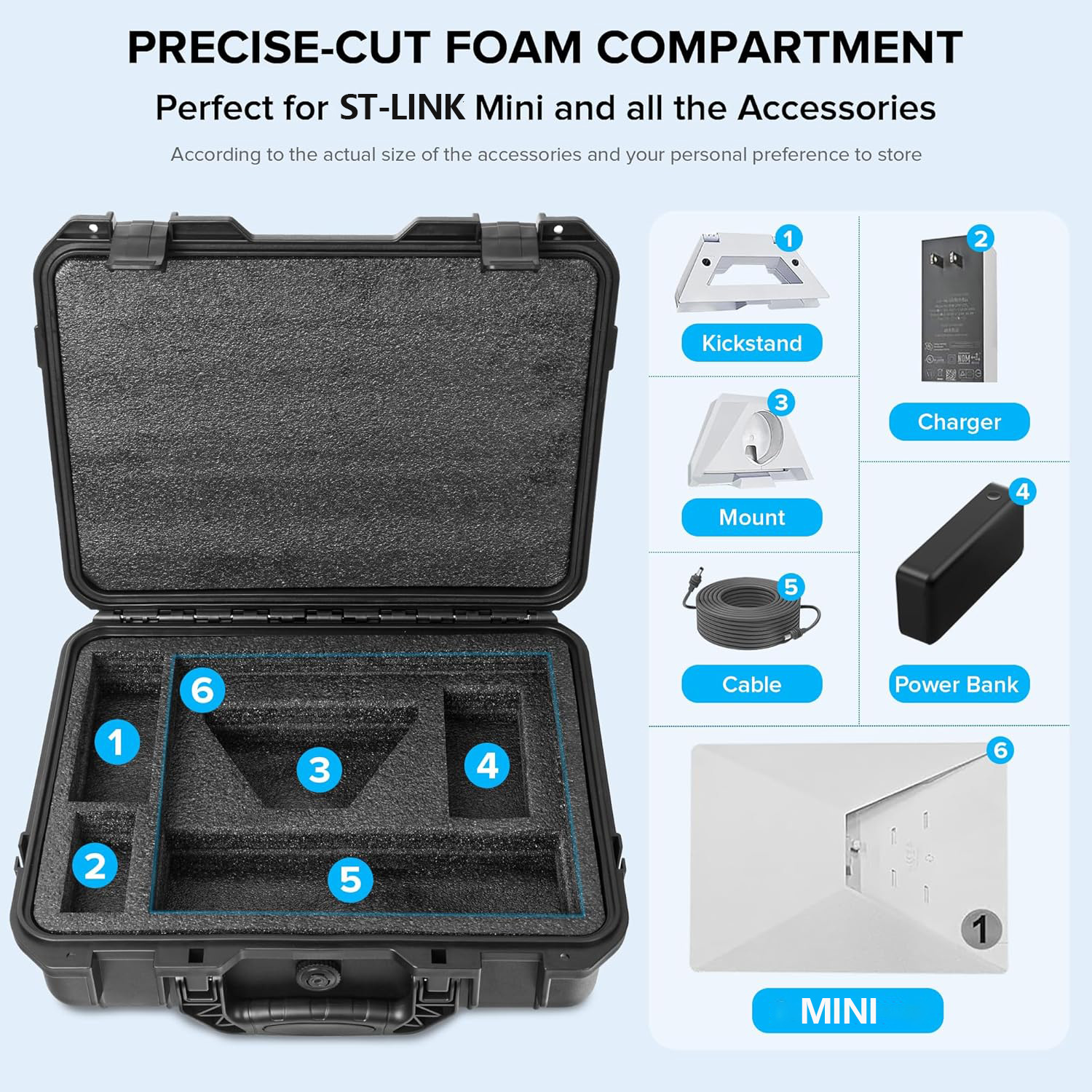
Salt spray under sail is severe. Even an IP67 dish will see accelerated connector wear if you leave it mounted while heeled over and taking green water. The right pattern: deploy the Mini at anchor or in a slip, stow it in the hard case the moment you're underway in any meaningful sea state.
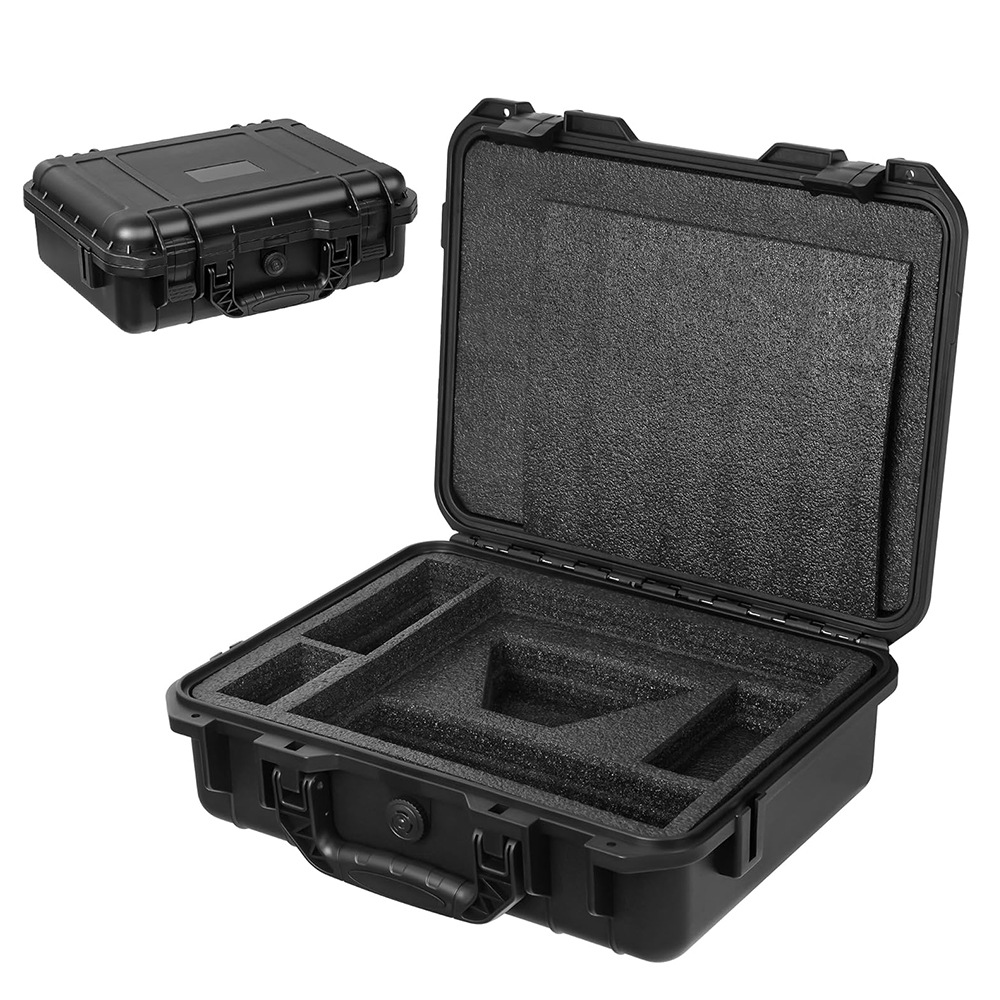
Our hard case has the foam cuts for the Mini, both cables, the power adapter, and the suction cup base — fits in a sail locker or a quarterberth shelf.
Products mentioned in this guide
Have a Starlink question this guide didn't answer?
Email [email protected] — replies within 24 hours. Or browse the full OrbitGrip catalog.
Comments & questions
Got a question about this install, a correction, or your own setup story? Drop it below — comments are auto-screened for spam and published immediately if they're clean. Genuine questions usually get a reply from us within a day.